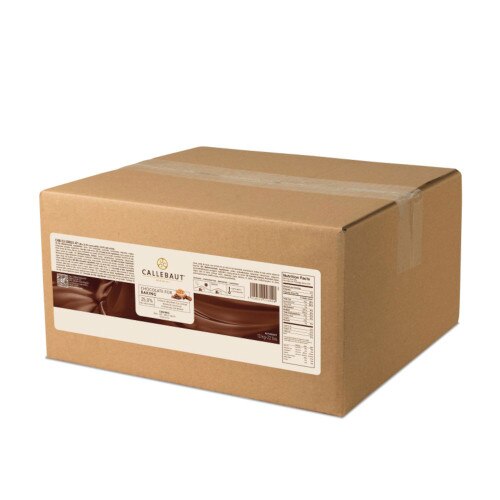
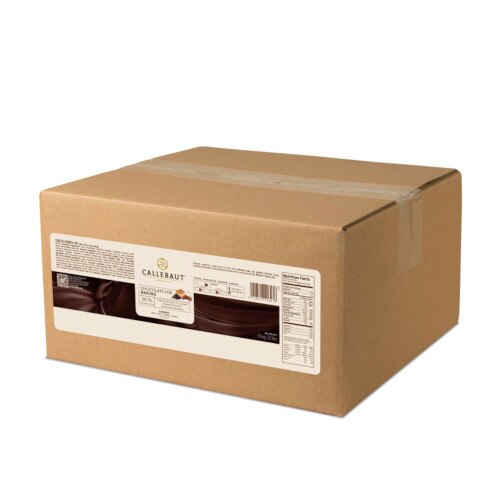
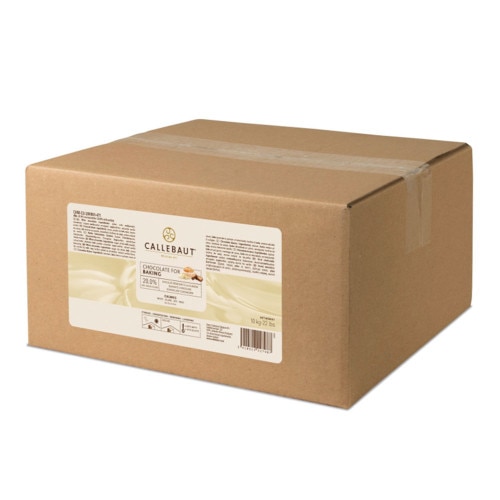
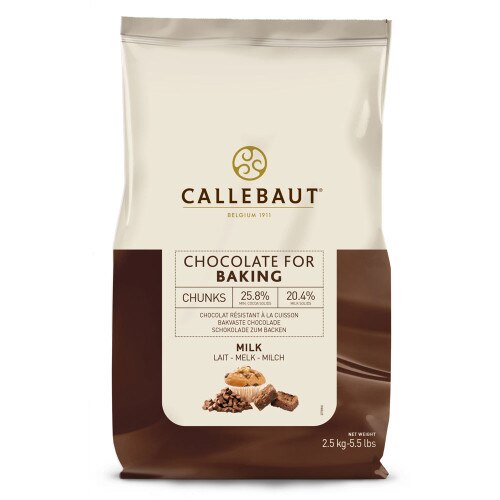
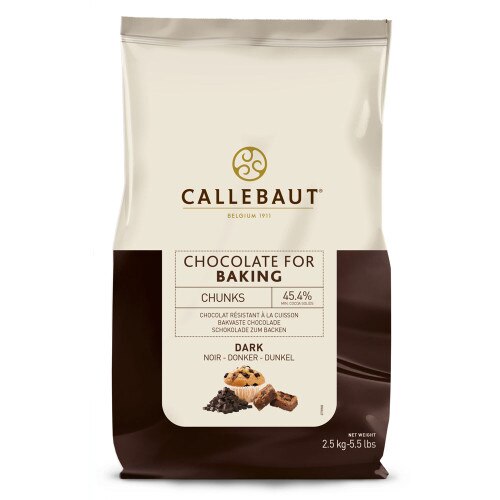
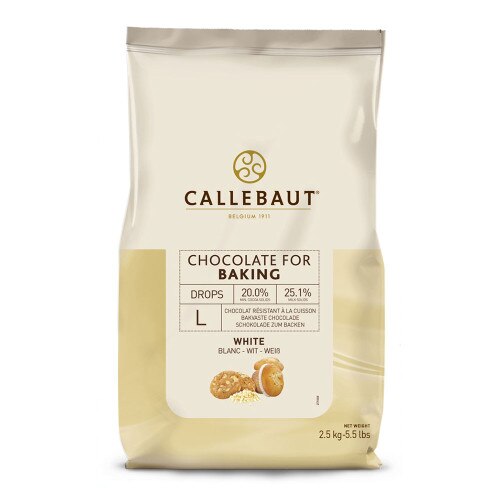
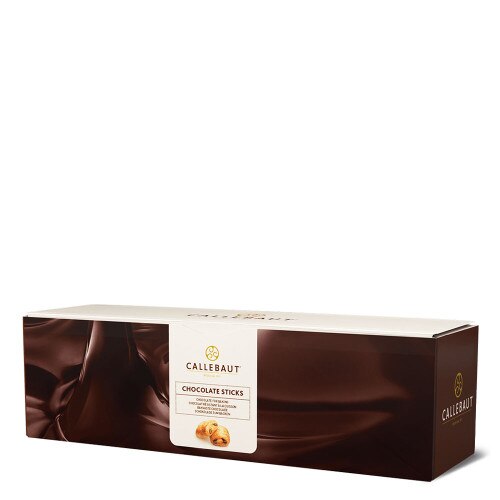
Bakestable Chocolate

7 Products

List Price: £75.00
List Price: £70.61
List Price: £83.54
List Price: £23.48
List Price: £22.60
List Price: £24.33
List Price: £9.48

Frequently Asked Questions

What is Callebaut bakestable chocolate?

Callebaut bakestable chocolate is specially designed chocolate that retains its shape and texture during baking, even at high oven temperatures. Unlike standard chocolate, it resists melting completely, allowing chunks or chips to remain visible and structured in baked goods.

What makes bakestable chocolate different from regular chocolate?

Bakestable chocolate contains a formulation that allows it to:

  • Withstand temperatures up to around 200°C
  • Maintain shape rather than fully melting
  • Deliver consistent texture inside baked products

This makes it ideal for cookies, muffins, and pastries where defined chocolate pieces are required.

Does bakestable chocolate melt in the oven?

Bakestable chocolate softens but does not fully melt or spread, meaning it keeps its structure while remaining soft inside. This creates the classic “chunky chocolate” texture in baked goods.

What is the best use for Callebaut bakestable chocolate?

Callebaut bakestable chocolate is ideal for:

  • Cookies and biscuits
  • Muffins and brownies
  • Cakes and pastries
  • Brioche and viennoiserie
  • Ice cream and gelato inclusions

It is widely used in both professional bakeries and home baking for consistent results.

Can I use bakestable chocolate instead of chocolate chips?

Yes—bakestable chocolate is often superior to standard chocolate chips because it:

  • Has a richer chocolate flavour
  • Offers better texture after baking
  • Maintains defined shapes without flattening

It is commonly used as a premium alternative in artisan baking.

What types of bakestable chocolate are available?

Callebaut bakestable chocolate is available in:

  • Milk chocolate chunks (creamy and caramel notes)
  • Dark chocolate chunks (intense cocoa flavour)
  • White chocolate chunks (sweet and creamy)

These come in various sizes and formats to suit different baking applications.

What is the difference between bakestable chocolate and couverture chocolate?

  • Couverture chocolate: high cocoa butter, designed to melt smoothly and be tempered
  • Bakestable chocolate: lower fluidity, designed to hold shape during baking

Bakestable chocolate is engineered for structure, while couverture is designed for coating and moulding.

Why does bakestable chocolate not melt completely?

Bakestable chocolate has lower fluidity and a different fat balance, which reduces how much it spreads when heated. This allows it to stay intact even under baking conditions.

What is chocolate fluidity and why is it important in baking?

Fluidity refers to how easily chocolate flows when melted.
Bakestable chocolate typically has low fluidity (e.g. 1/5), meaning it stays thicker and holds its shape—perfect for baking applications.

How should bakestable chocolate be used in recipes?

For best results:

  • Add chocolate chunks at the end of mixing
  • Avoid overworking the dough
  • Bake at recommended temperatures

This helps preserve the shape and texture of the chocolate during baking.


Callebaut's brand story is a tapestry woven from the threads of innovation, artisanry, and a passion for chocolate that has flourished over a century. The journey encompasses the legacy of not just Callebaut, but also the renowned Barry Callebaut, Cacao Barry, Van Houten and Mona Lisa brands, each contributing to a rich narrative that has shaped the world of chocolate.

The story begins in 1911 with the inception of Callebaut, a Belgian brand driven by a relentless pursuit of chocolate perfection. As the years unfolded, the Callebaut name became synonymous with uncompromising quality and innovation. The brand joined forces with another industry titan, Cacao Barry, to create Barry Callebaut. This alliance propelled them to the forefront of chocolate manufacturing, combining expertise and resources to deliver an unparalleled range of chocolate products. The legacy of Barry Callebaut extends far beyond its origins, enriching the chocolate experience for professionals and enthusiasts alike.

The brand's commitment to sourcing the finest cocoa beans and refining chocolate production techniques paved the way for extraordinary creations that celebrated the true essence of cocoa. Within this constellation of excellence, the Mona Lisa brand added a new dimension. Renowned for its artistic chocolate decorations, Mona Lisa transformed desserts into masterpieces. Each intricate detail and exquisite touch brought a sense of elegance to creations, captivating the senses and elevating culinary artistry. In 1998, Barry Callebaut acquired Van Houten, a brand now synonymous with their exquisite hot chocolate creations.

Throughout this journey, one thread remains constant: a dedication to sustainability. Barry Callebaut's commitment to improving livelihoods and ensuring ethical practices in cocoa production underscores the brand's responsibility toward people and the planet.

As Callebaut, Barry Callebaut, Cacao Barry, Van Houten and Mona Lisa continue to shine in the world of chocolate, their collective story reflects a legacy of excellence, innovation, and a passion for creating moments of delight. With each creation, they weave a story that transcends time, inviting us all to savour the artistry and craftsmanship that only the finest chocolate brands can offer.

Show more